
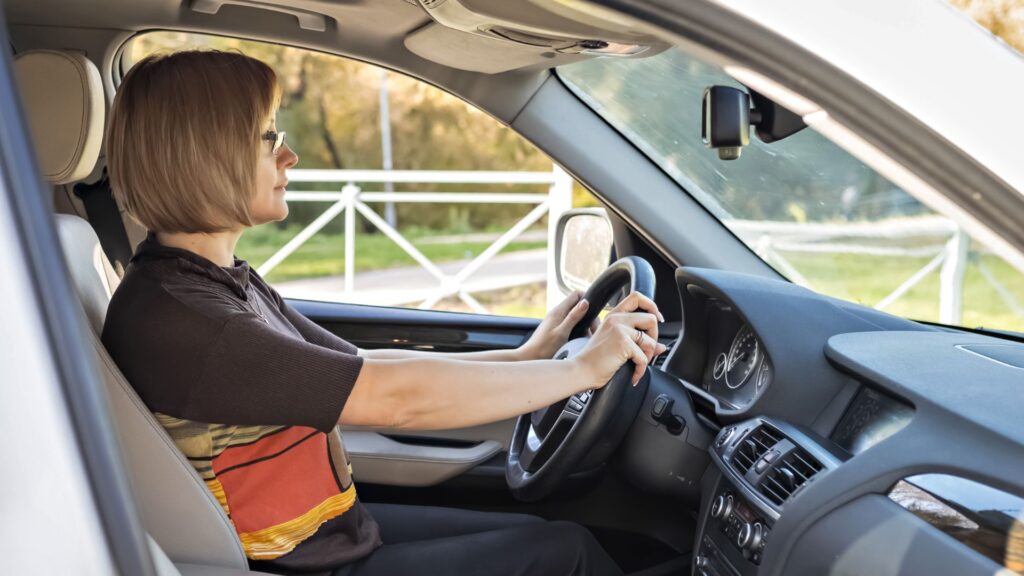
Living with epilepsy does not necessarily mean giving up the freedom of driving. However, because seizures can create potential risks behind the wheel, many drivers must navigate medical, legal, and personal considerations before and during their driving journey. Below, we break down key factors people with epilepsy should understand — from diagnosis to driving laws and best practices.
What Is Epilepsy and How Does It Relate to Driving?
Epilepsy is a neurological condition characterized by recurrent seizures — episodes of abnormal brain activity that can lead to a variety of symptoms, including loss of awareness, muscle spasms, or sensory disturbances. These seizures can affect behavior, movement, and consciousness. Controlling epilepsy typically means using anti-seizure medications, managing triggers, and regularly consulting with healthcare providers.
When it comes to driving, seizures pose a potentially serious risk. A seizure while driving can impair control of a vehicle, increase the chance of an accident, and endanger both the driver and others on the road. For that reason, licensing authorities impose regulations to balance road safety with personal autonomy.
What Causes Epilepsy?
There are many possible causes of epilepsy, and not every case can be traced back to a single factor. Some of the common causes include:
- Genetics: Certain inherited gene mutations increase the risk of epilepsy, making it more likely in some families.
- Brain Injuries: Traumatic events such as concussions or more severe head trauma can lead to epilepsy, either immediately or later on.
- Infections: Brain infections like meningitis or encephalitis may lead to scar tissue or inflammation that triggers seizures.
- Autoimmune Disorders: In some cases, the body’s immune system may attack healthy brain cells, disrupting normal electrical activity.
- Stroke or Neurodegenerative Conditions: Damage from stroke, Alzheimer’s disease or other neurological conditions may contribute to seizure activity.
Because the underlying cause influences treatment and risk, understanding the origin of epilepsy is important — especially when considering driving.
Who Is Affected, and Why Driving Matters
Epilepsy affects millions of people worldwide. In the U.S., this includes individuals across all age groups — from children to older adults. For many, driving is a cornerstone of independence: it allows them to commute to work, run errands, and stay socially active.
However, not all seizure types have the same implications for driving. For instance:
- Generalized seizures often involve loss of consciousness and widespread muscle activity. These are generally the most concerning for driving risk.
- Focal seizures, on the other hand, may only affect one part of the brain or body. They can cause auras, sensory changes, mild twitching, or altered awareness. Although individuals may remain conscious, these symptoms can still disrupt a driver’s ability to respond safely.
Because the severity and type of seizures vary, medical stability and seizure control are key factors in determining whether someone with epilepsy can drive safely.
Is It Safe to Drive with Epilepsy?
Driving with epilepsy can be possible — but only under certain conditions. Safety largely depends on how well seizures are managed and whether a person can reliably predict or avoid them.
Here are some strategies and precautions that can improve the safety of driving with epilepsy:
- Follow your treatment plan: Consistent use of anti-seizure medication is essential.
- Identify and avoid triggers: Stress, lack of sleep, or flashing lights may provoke seizures in some individuals.
- Report to medical professionals: Keep your neurologist informed about any breakthrough symptoms or side effects.
- Avoid driving when unwell: If you feel a seizure coming, or if you are experiencing side effects from medication, do not drive.
- Regularly assess fitness to drive: Some people benefit from periodic medical evaluations to confirm that it is still safe to drive.
With good management and professional guidance, many people with epilepsy can drive responsibly.
Driving Laws for People with Epilepsy
Driving eligibility for individuals with epilepsy varies significantly by jurisdiction, but some common legal requirements include:
- A seizure-free period: Many states or countries require that drivers be free of seizures for a set timeframe before they can obtain or renew a license. The specific duration depends on the individual’s medical history and the licensing authority.
- Medical certification: A doctor may need to provide a statement regarding the driver’s seizure control, types of seizures, and risk of recurrence.
- Mandatory reporting: In some areas, physicians are legally required to report recurrent seizures to driving authorities.
- Liability risks: If a driver with epilepsy has a seizure while driving and causes an accident — especially without disclosing their condition to licensing agencies — they may face civil or criminal liability.
It’s crucial to know your state’s or country’s specific laws before driving. Consult your neurologist and local licensing authority for clarity.
Best Practices for Driving with Epilepsy
Here are some recommended habits to help make driving safer if you live with epilepsy:
- Undergo regular checkups to assess whether your condition remains stable enough for driving.
- Monitor medication levels, especially if side effects like drowsiness or impaired coordination emerge.
- Maintain a strict seizure management routine, including sleep, diet, and stress control.
- Plan your trips with rest stops and safe areas in mind.
- Carry an emergency plan, including contact numbers, roadside assistance, and a seizure safety kit.
Regaining Freedom — Responsibly
Epilepsy doesn’t have to mean giving up your driver’s license forever. With well-managed treatment, regular medical support, and adherence to the law, many people with epilepsy can drive safely. Driving again can represent more than mobility: it can bring back a sense of independence, normalcy, and self-determination.
If you or a loved one are considering driving with epilepsy, start by talking to your healthcare provider, understanding your legal obligations, and making a realistic safety plan.
This article was inspired by resources from Chopra & Nocerino.