
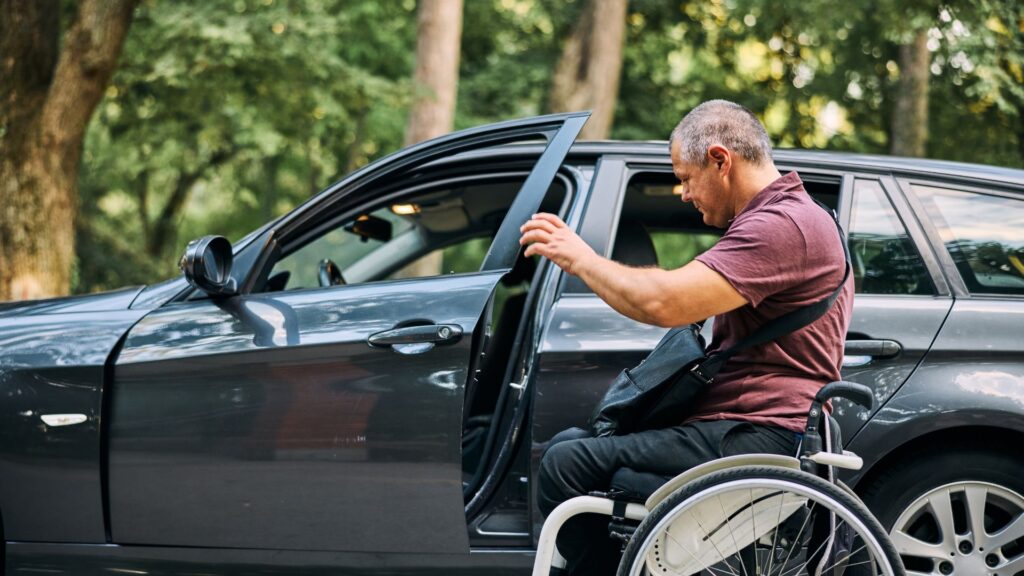
A spinal cord injury can profoundly change a person’s life. When the lower limbs lose function, many believe that independent driving is out of reach. However, thanks to technological advancements and specialized rehabilitation, it is possible to drive safely and independently again. This article explains how, step by step.
Is it possible to drive after becoming paraplegic?
Yes. Although every case is unique, many people with paraplegia are able to return to driving with the right vehicle adaptations and specialized training. Research shows that a significant number of individuals living with mobility loss can operate a vehicle safely when they are provided with proper equipment and professional guidance.
Personalized adjustments to steering, braking, acceleration, and seating make it possible to regain an essential part of personal independence.
Adaptive Technology for Drivers with Paraplegia
There is a wide range of adaptive driving technologies designed to replace the need for leg movement. Common solutions include:
- Hand controls for acceleration and braking.
- Steering aids, such as spinner knobs or reduced-effort steering systems.
- Accessible entry solutions, including ramps, lifts, or power-transfer seats.
- Customized pedal and seat adjustments to improve posture, reach, and comfort.
The cost of modifications varies widely. Basic adaptations may be a few thousand dollars, while full vehicle conversions—including ramps, lowered floors, and integrated lifts—can require much larger investments.
Choosing the Right Vehicle
Selecting the ideal vehicle is just as important as choosing the right adaptive equipment. Drivers should consider:
- Sufficient interior space and height for transferring from a wheelchair.
- Wide doors, sliding doors, or low floors for easier access.
- Compatibility with the specific adaptive systems required.
- Reliability, ease of maintenance, and long-term durability.
Popular Vehicle Choices Among Paraplegic Drivers
Many drivers with paraplegia prefer vehicles that offer generous interior space, accessible entry configurations, and good compatibility with aftermarket conversions. Some commonly chosen models include:
- Chrysler Pacifica and Toyota Sienna – Both provide expansive interiors, sliding doors, and enough roof height to accommodate ramps, lifts, and full conversions. Their flexible seating and accessibility-friendly layouts make them two of the most frequently modified vans.
- Subaru Forester – A compact SUV with higher ride height, a roomy cabin, and strong reliability ratings. Its structure allows for several adaptive options without requiring a large or expensive conversion.
- Hyundai Sonata – A sedan known for its low step-in height and strong safety record. Hyundai’s mobility assistance programs may also help reduce the cost of adaptive equipment, making it appealing for drivers seeking affordability with comfort.
- Kia Soul – Although compact on the outside, it offers wide doors and surprising headroom. Its design makes it practical for transporting wheelchairs or assistive equipment and suitable for lighter modifications.
- Jeep Renegade – A smaller SUV that is easier to maneuver and park than a minivan, yet still spacious enough for adaptive controls. It’s favored by those who want a more compact feel without sacrificing modification potential.
Choosing a vehicle from these categories can simplify the adaptation process and make long-term mobility more comfortable and practical.
Licenses, Training, and Legal Requirements
To resume driving after a spinal cord injury, most individuals will need:
- An evaluation by a certified driving rehabilitation specialist.
- A driving test using the adapted vehicle and equipment.
- In many states, medical clearance, license endorsements, or additional documentation.
These steps ensure that driving is safe for both the driver and the public, and that the chosen equipment is appropriate for long-term mobility.
Best Practices for Driving with Paraplegia
Adaptive driving requires not only the right technology but also good habits. Recommended practices include:
- Scheduling routine maintenance for adaptive equipment.
- Avoiding hazardous routes or severe weather until fully comfortable with the vehicle.
- Planning trips with accessible rest areas.
- Keeping emergency contacts and roadside assistance information on hand.
- Carrying a mobility-focused emergency kit tailored to individual needs.
Reclaim Your Freedom of Movement
A spinal cord injury does not mark the end of independence. With the right equipment, the right training, and the right support, driving again is possible. More than a means of transportation, it is a pathway back to autonomy, confidence, and a fuller life.
If you are working toward returning to the driver’s seat—or adapting your home or vehicle—remember that every solution is tailored to your abilities, goals, and lifestyle.
This article was inspired by resources from Runion Injury Law.